
From the air back to the air
Chris Lefteri interviews Mr Sungjin Sah CEO of Mycel
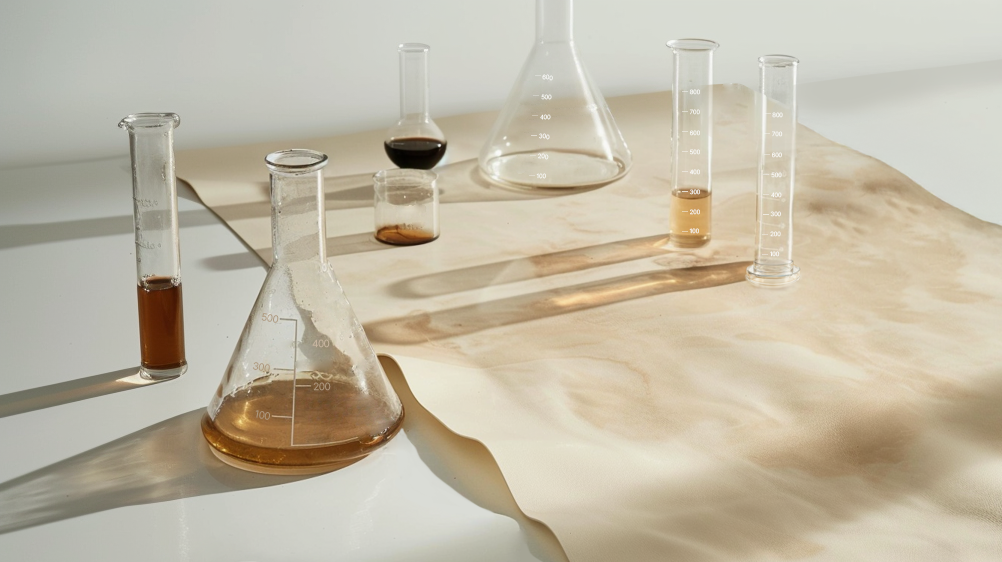
There’s a moment in materials innovation where a shift stops being technical and starts becoming cultural. Where what we are designing is no longer just performance—but meaning, origin, and end-of-life.
In this conversation, I sit down with Mr. Sungjin Sah, CEO of Mycel, a company emerging from Korea with a quietly radical proposition: materials that don’t just begin sustainably, but are designed to return—fully—back into natural cycles. Their philosophy, “from the air back to the air,” is not a tagline, but a design framework that challenges how we think about matter, permanence, and responsibility.
What interested me about Mycel is not simply that they are working with mycelium, an increasingly familiar space, but how they are approaching it. Not as a single material solution, but as a system. A platform that considers growth, structure, finish, and crucially, end-of-life, as one continuous narrative.
This is where the conversation becomes particularly relevant for designers. Because what Mycel is proposing is not a replacement for leather, nor a variation of synthetic alternatives—but something that sits in between. A material that is grown, yet engineered. Predictable, yet alive.
In our discussion, we explore what it means to design with a material that has already been “authored” by nature, how circularity can move beyond marketing into measurable constraints, and how this new generation of biomaterials might redefine ideas of luxury—not as rarity, but as responsibility.
This is not just about a new material. It’s about a new mindset.
As part of this ongoing exploration, Mycel will be presented at the Materials First exhibition during Design Shanghai 2026, an opportunity to experience these materials firsthand.
Chris Lefteri
4. Industry & Cultural Impact
Q. Can you tell us about Mycel and its materials and how Mycel differs from other mycelium leather companies?
A. Mycel is a Korea‑based biomaterials company that spun out of Hyundai Motor Group in 2020. Our vision is captured in a simple line – “from the air back to the air.” We work with mycelium that grows on agricultural and industrial by‑products, and we design materials so that, at the end of their life, they can safely return to natural cycles rather than lingering as microplastics.
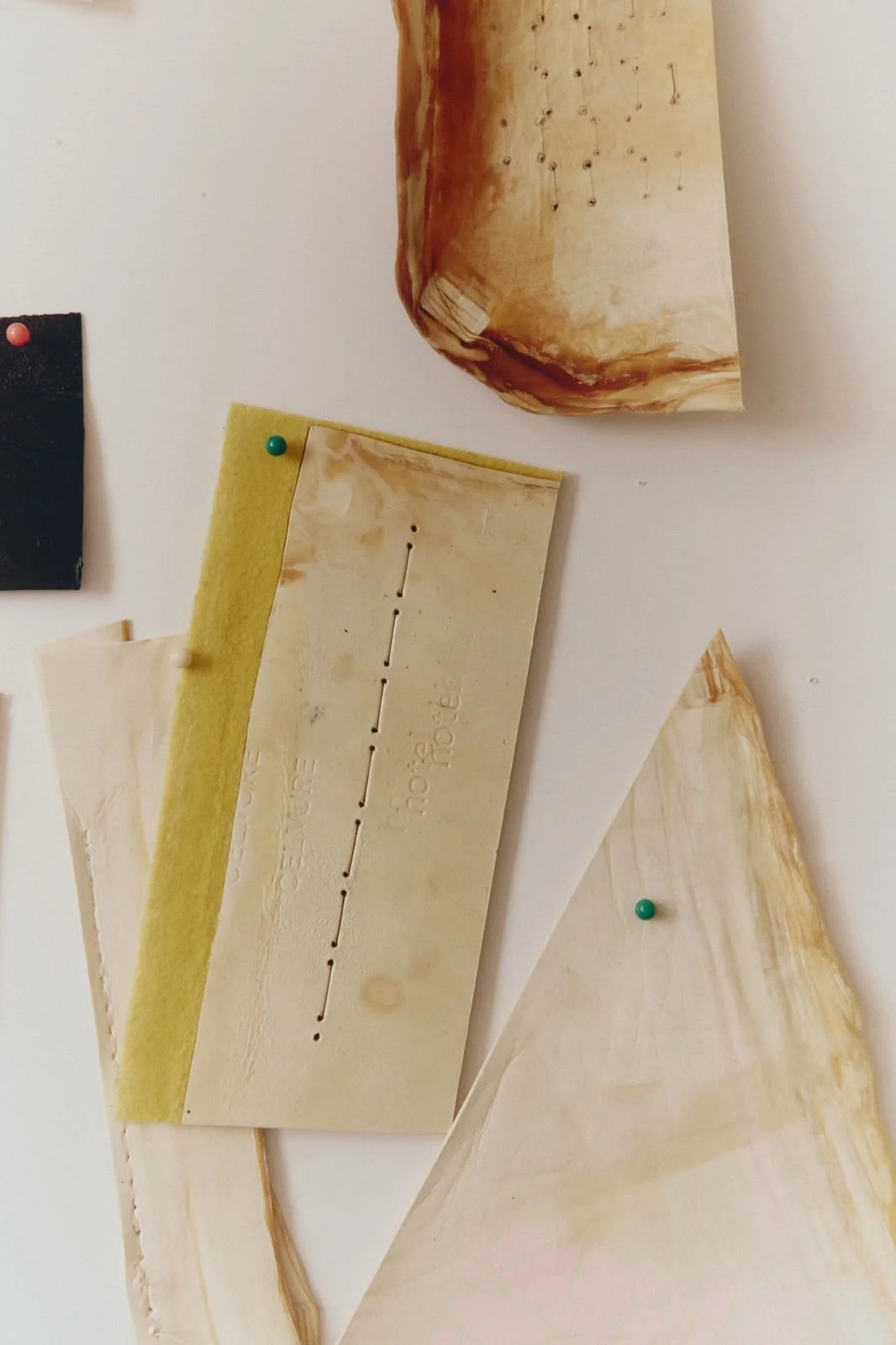
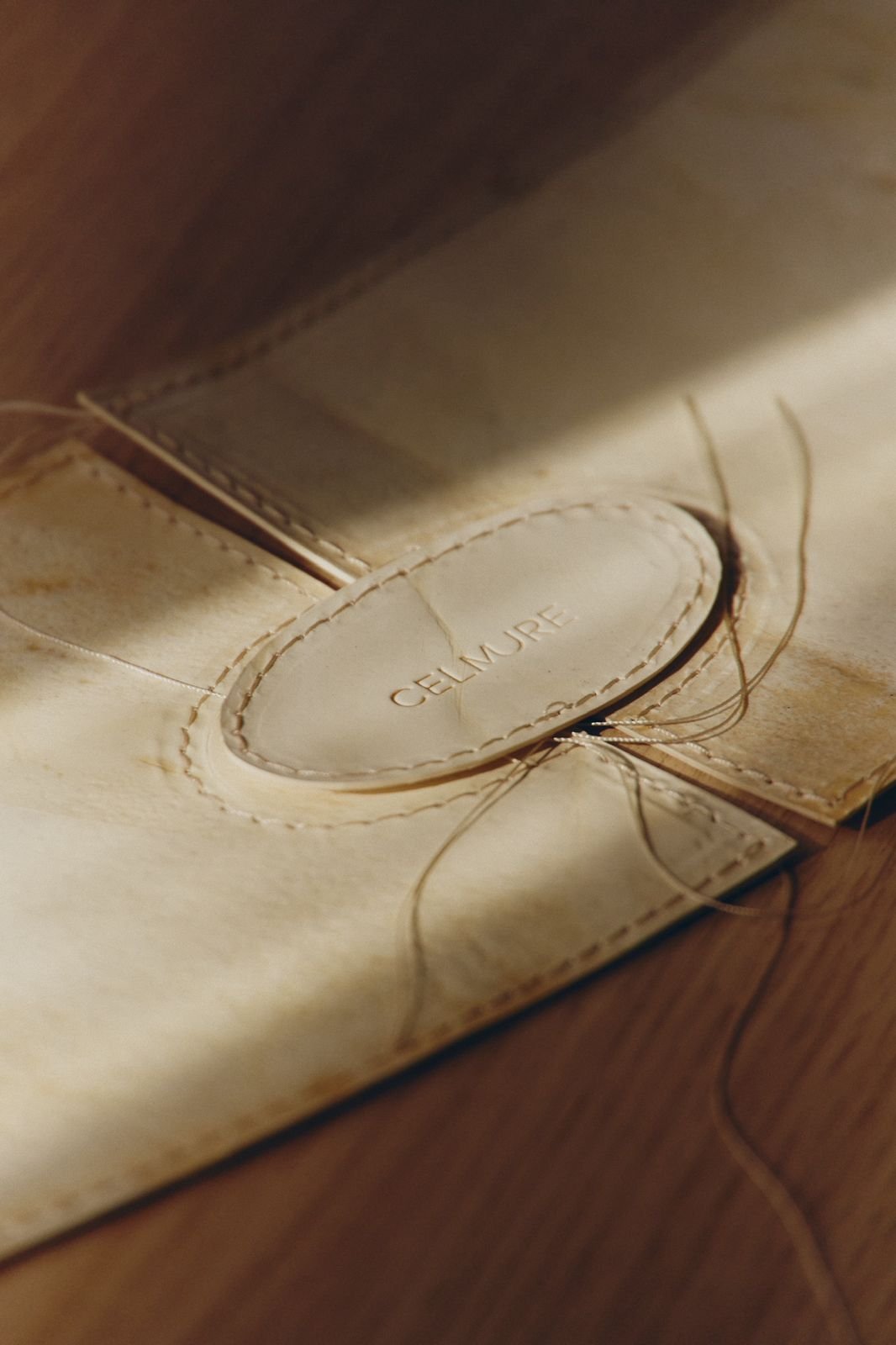
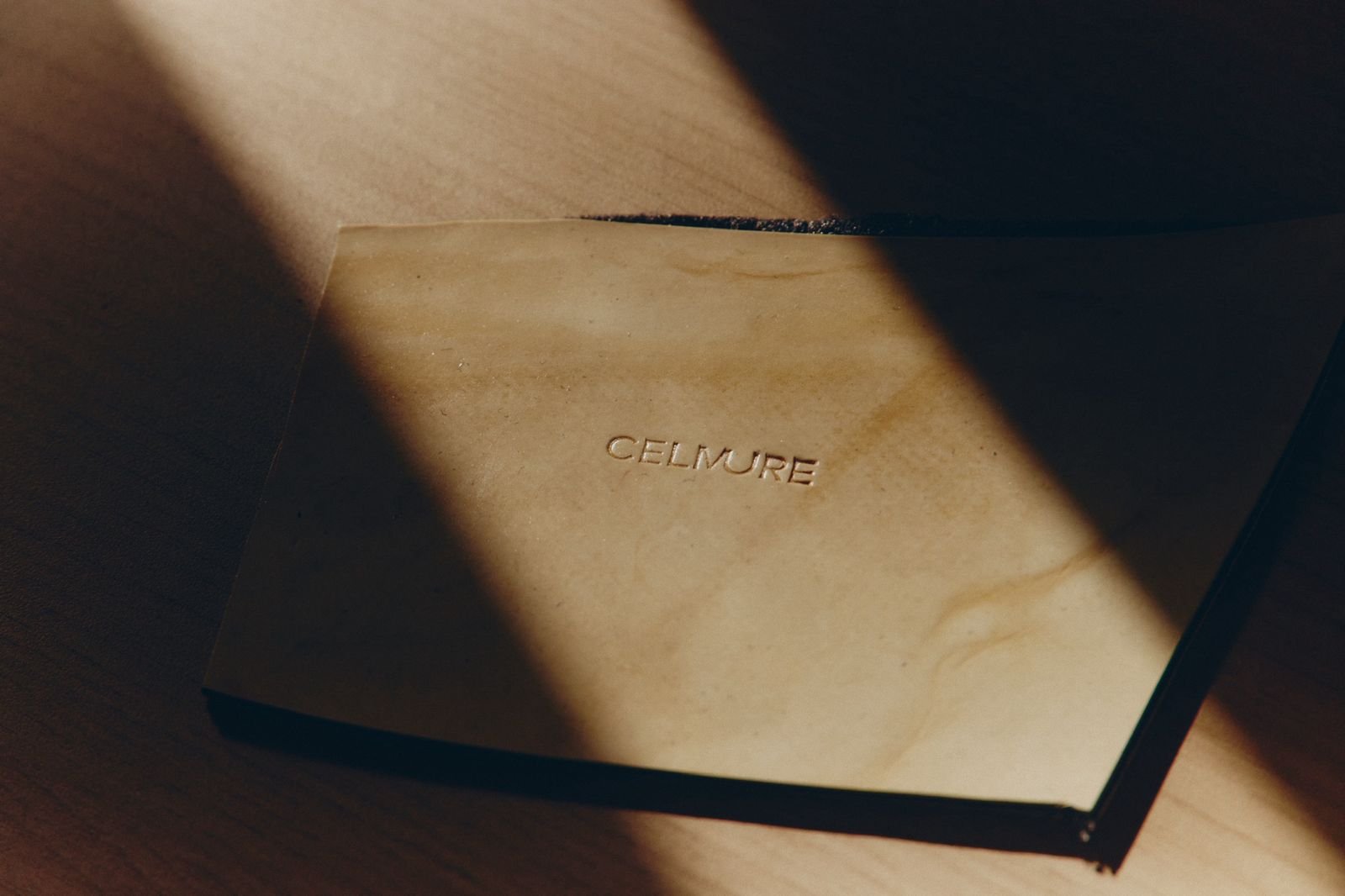
What we offer is not a single product but a platform built on a by‑product circulation model. LSSC Mat, our raw mycelium sheet; CELMURE, a finished bio‑leather for fashion and interiors; and PCLM, a liquid material for soil conditioning and cosmetics, are all linked within one circular system. Mycelium takes in under‑used by‑products, turns them into high‑value materials, and then, eventually, back into soil or benign residues.
We differ from many mycelium leather players in a few ways. First, we design the whole chain ourselves – from cultivation and structure through to tanning and finishing. It’s not simply “grow a sheet and coat it with plastic.” Secondly, end‑of‑life and circularity are treated as hard constraints, not marketing add‑ons, so CELMURE and PCLM are developed to biodegrade without leaving persistent plastics or toxic residues.
Q. Can you explain what mycelium leather is to designers as an experience rather than as a series of material properties?
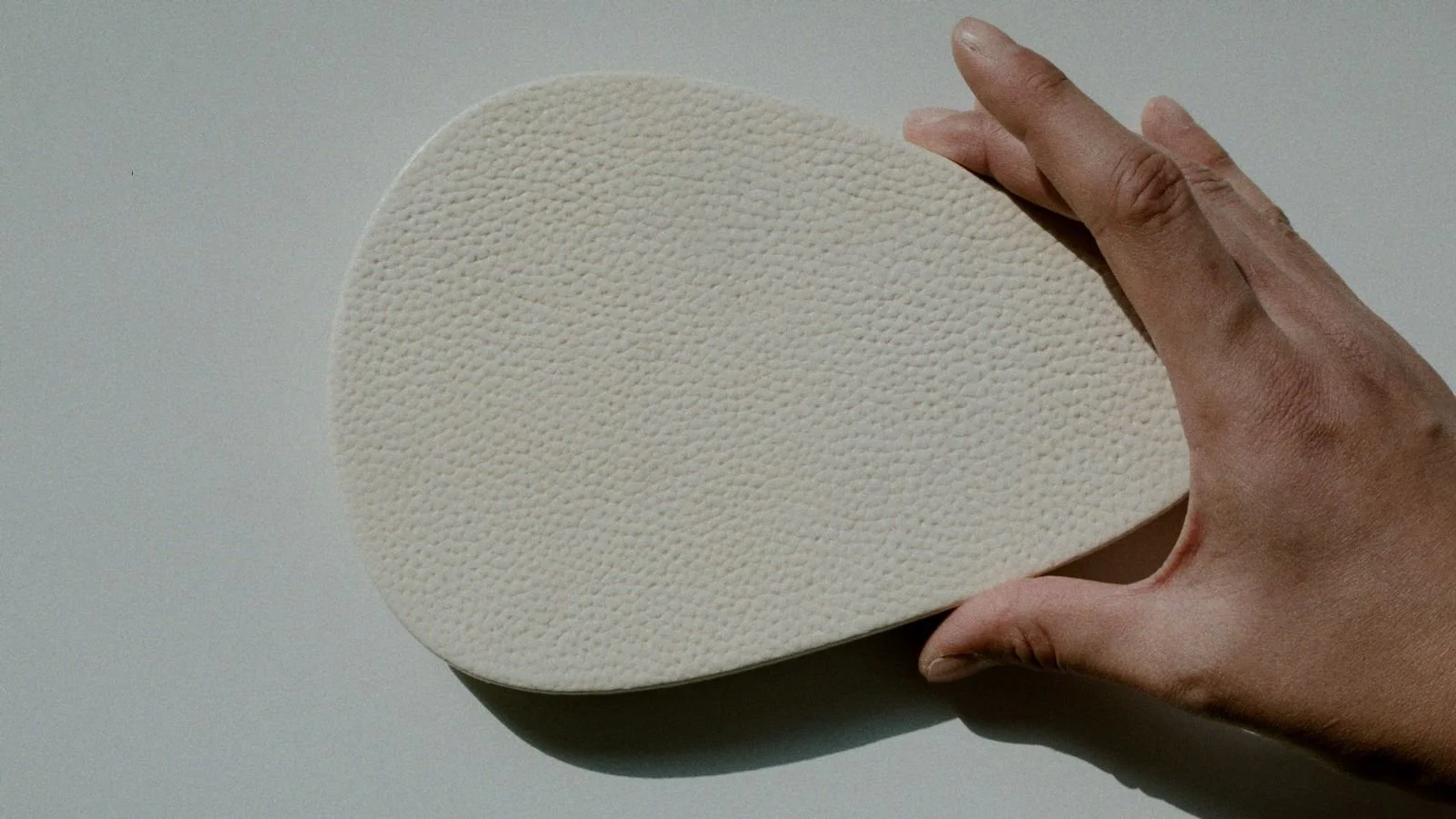
A. For designers, mycelium leather is first and foremost a sensory and conceptual experience, not a spreadsheet of numbers. Visually, it carries the depth and slight irregularity you’d expect from something grown. In the hand, it sits somewhere between animal leather and synthetics – lighter, often warmer to the touch, and more tunable in thickness and density.
If animal leather is like discovering a beautiful hide in nature, and synthetic leather is a completely blank industrial sheet, mycelium leather feels like a living skin that has already been edited for you. You can co‑design thickness, density and even light transmission, so designers experience it less as a “replacement” and more as a new type of tool.
Our line “from the air back to the air” sums it up quite well. The material starts life by consuming air, biomass and by‑products; it passes through human hands as objects, garments and spaces; and then, by design, it knows how to find its way back into the air‑and‑soil cycle again. That full journey is what we’d like designers to feel when they handle it.
2. Sustainability (Beyond the Buzzwords)
Q. Sustainability claims around bio‑materials can be vague—what are the sustainability metrics that you think actually matter and you aspire to at Mycel?
A. We try to keep ourselves honest by looking at four things: carbon per square metre, water use, chemical load, and what’s left at end‑of‑life. In simple terms, the bar we set is: meaningfully lower CO₂ and water use than bovine leather and PU; no fossil‑based polymer backings; and no chemistries that leave persistent microplastics or toxic residues.
3. Process, Craft & Technology
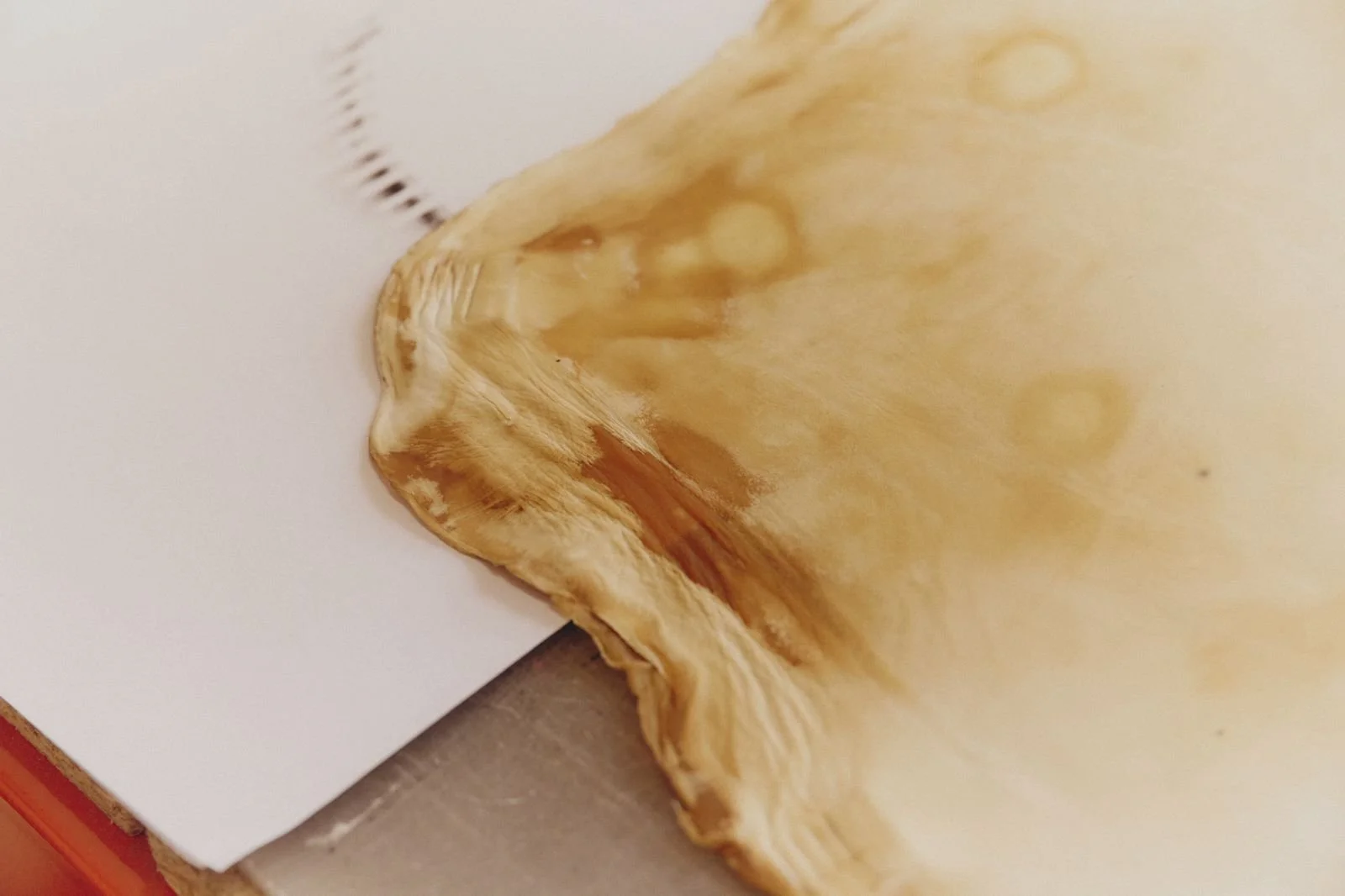
Q. Could you elaborate on your aim to ensure that all components — including coatings, backing materials, and dyes — are nature-based and compostable?
A. That’s a really important point. Our ambition is that, over time, every component in the system — the mycelium itself, the backing, the coating, and the colour — will come from renewable, naturally derived sources and be compatible with composting or other recovery routes. We’re not fully there yet on every single layer, and I don’t want to prepend otherwise. But, whenever we make a development choice, we check in against our end-of-life brief. The goal is to avoid having a beautiful bio-story on the surface while hiding fossil-based backings or persistent coatings underneath. So the whole material stack should be able to go “from the air back to the air” without leaving a lasting footprint behind.
Q. What role does end‑of‑life design play for Mycel materials?
A. For us, end‑of‑life is really where the design brief starts, not where it ends. With CELMURE and PCLM we begin by asking, “Where do we want this to go after twenty or thirty years of use? Back into soil? Back into a recycling stream?”
Once that pathway is defined, we work backwards. It means we sometimes walk away from extremely durable but non‑recoverable chemistries. Instead, we work with brands to design products that are robust in use but still chemically capable of returning to nature without leaving a plastic shadow behind.
Q. Is mycelium leather closer to grown craftsmanship or industrial material science? For example, how early can designers be involved in the material development process?
A. It genuinely sits between the two. In the growth phase, we behave more like growers or ceramicists – tuning strain, substrate and environment to sculpt structure. Once we move into drying, tanning and finishing, we’re firmly in the world of industrial material science and leather engineering.
Designers can come in surprisingly early. Because we can influence thickness, density, pore structure and even how light travels through the mat, we often invite designers to work with us at the LSSC Mat stage rather than waiting for a fully finished sheet. That’s where it becomes a proper co‑creation platform rather than a catalogue.
Q. So designers can influence the thickness. So would you say it can be a tailored solution for the designers?
A. Yes, exactly.
Q. Following up on “predictable evolution,” can you elaborate on what you mean by evolution? Can you predict how the material will change over time?
A. We see three different “stories” with the material. First is the sensory experience, how it looks and feels, its lightness, warmth, and hand-feel. Second is the philosophical story, it’s grown, not slaughtered, and designed to reflect the natural life cycle. Third are the measurable impact metrics, typically CO₂ and water savings, and the absence of certain harmful chemistries. So we encourage brands to draw a clear line between what’s already validated and what’s still in R&D. Under-promising and being precise tends to work better for luxury than sweeping claims.
Q. How compatible is mycelium leather with existing furniture manufacturing systems?
A. CELMURE has been developed to work with most of the existing cutting, sewing, lamination and upholstery workflows used for premium leather and synthetics. The main adjustments are around temperature, pressure and humidity because mycelium is more heat‑sensitive than bovine leather or PU.
That’s why we see early use in panels, wrapped components, lighting and accent pieces, then progressively moving into high‑stress seating as the ecosystem matures.
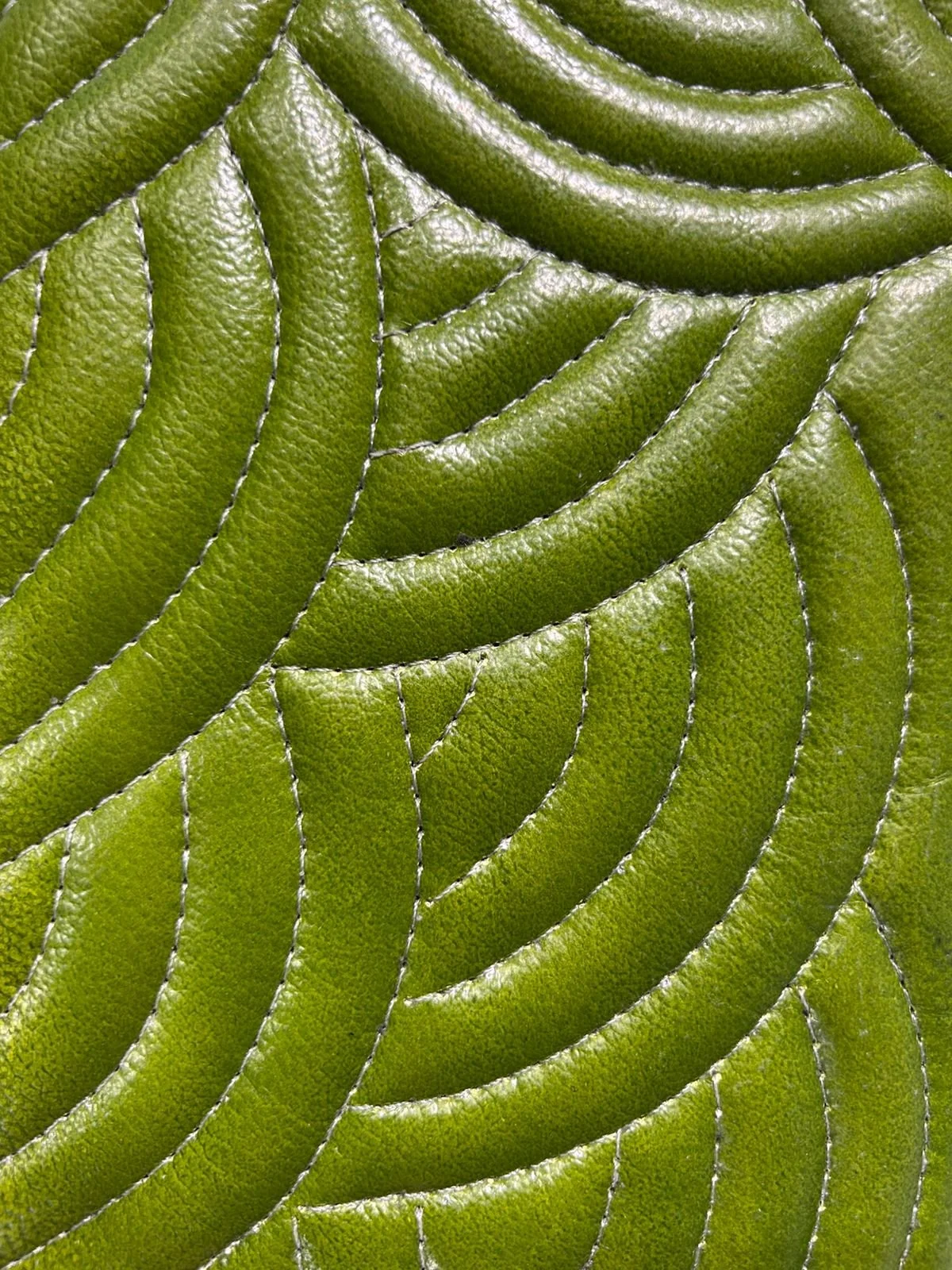
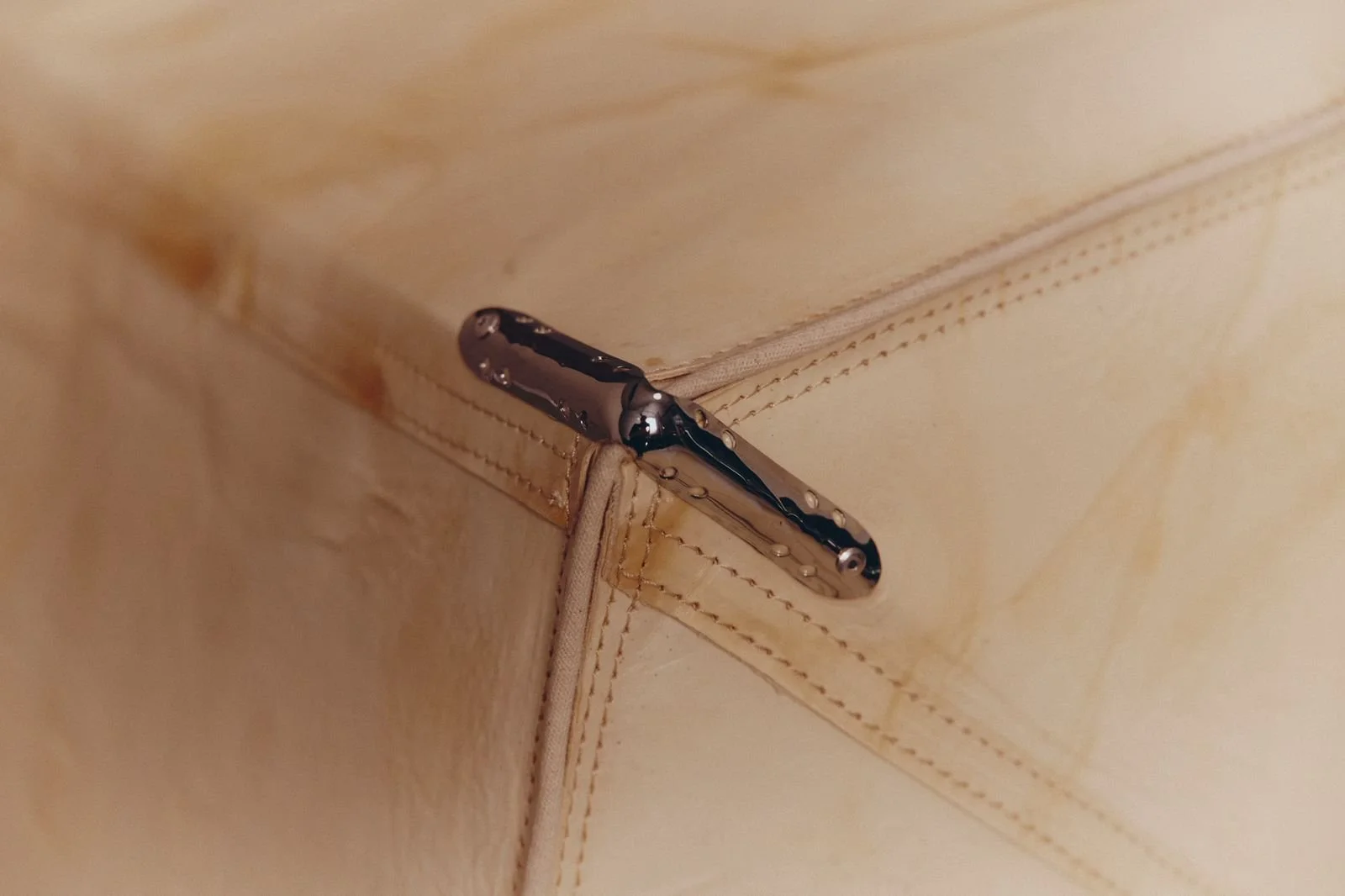
Q. Do you think mycelium leather is meant to replace animal leather?
A. Not in a simple one‑for‑one way, at least not yet. Animal leather has centuries of craft behind it and occupies a very specific performance space. Mycelium leather will displace some animal leather, some synthetics, and will also open up applications that neither of those materials were ever quite right for.
So rather than saying “we’re here to kill leather”, I’d say we’re here to offer a serious third option that fits new regulation, new climate realities and a new generation’s ethics.
Q. How do you see materials like yours reshaping ideas of luxury, authenticity, and value?
A. Historically, luxury has been tied to scarcity – rare hides, rare stones. The kind of luxury we’re interested in is more about responsible intelligence: materials that feel special because they’re thoughtfully grown, engineered and recoverable, not because they’re wasteful.
Authenticity shifts as well. The story is no longer “this came from a particular animal,” but “this comes from a living system whose inputs, processes and end‑of‑life we can lay out clearly.” For a lot of younger consumers, that level of transparency now feels more authentic than a purely heritage‑based narrative.
5. Looking Forward
Q. That’s something we hadn’t really considered before. So you control translucency as well?
A. Yes, absolutely. We can adjust almost anything. There’s a huge amount of potential for designers and customers to explore and use.
Q. Do surface finishes evolve over time, or is stability more desirable in accessories?
A. We design for both, depending on the context. For bags and small leather goods, most houses still want stability – colour fastness, abrasion resistance and a very controlled patina. There, the aim is a slow, predictable evolution rather than dramatic ageing.
In interiors and objects, we’re more open to designed change – a gentle softening of tone, subtle shifts in sheen – as long as it’s safe, intentional and transparently communicated.
Q. What should interior designers know about fire ratings, moisture response, and maintenance?
A. Fire performance is non‑negotiable, so we’re working within standard classifications while avoiding halogenated flame retardants wherever possible. Moisture‑wise, with the right backing and construction, CELMURE can be quite stable, but prolonged high humidity still needs to be managed through design rather than ignored.
For maintenance, we suggest treating it more like high‑quality natural leather than plastic, avoiding harsh solvents, using pH‑balanced cleaners, and designing pieces so that the highest‑wear components can be replaced rather than expecting the material to be immortal.
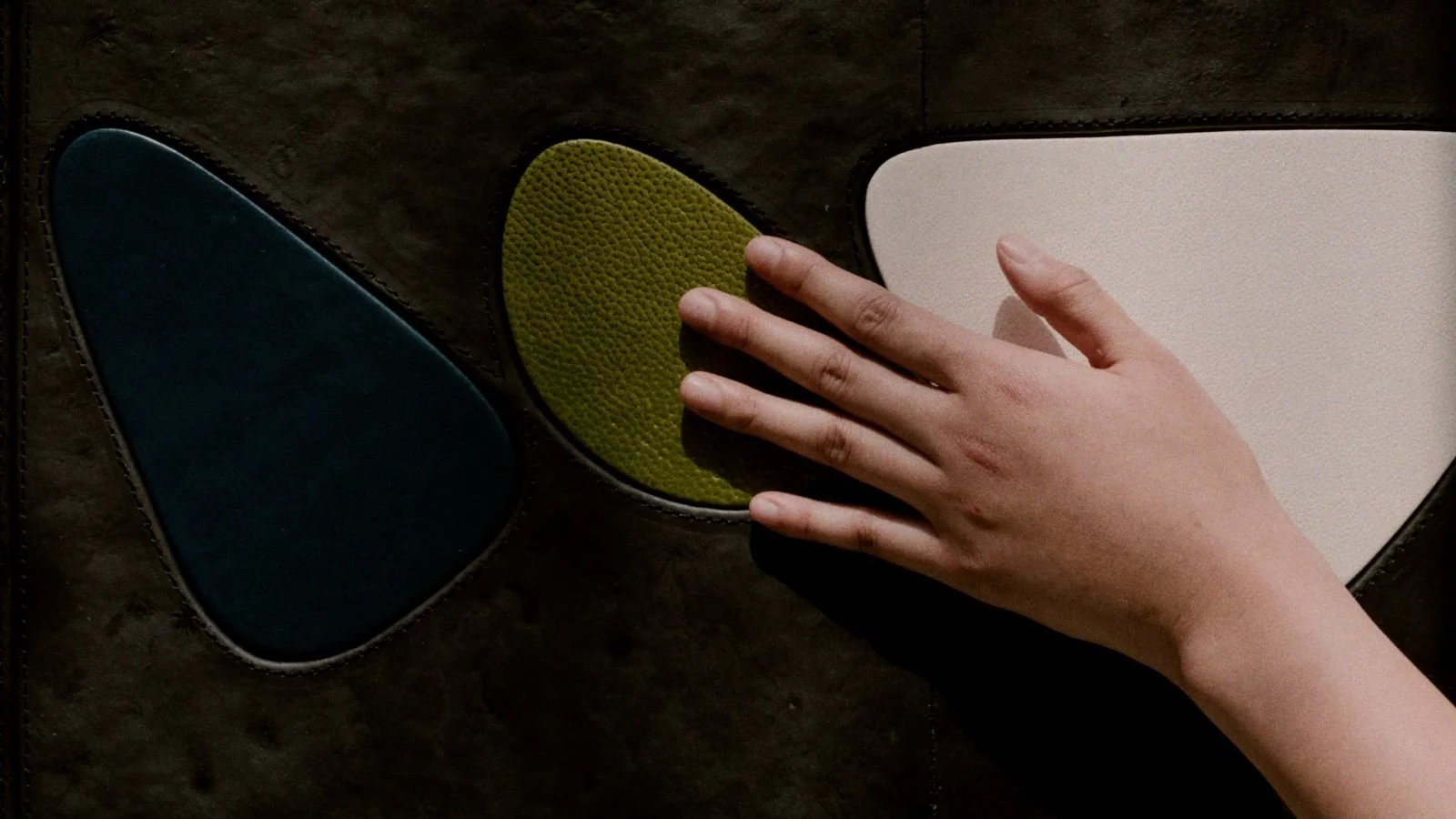
Q. What design applications excite you most for interior or furniture?
A. Three areas stand out.
Lighting and partitions, where thin, organic sheets and controlled translucency can create atmospheres you simply can’t get from conventional leather or textiles.
Hospitality touch‑points – armrests, headboards, small furniture – where tactility and narrative really matter.
And hybrid objects that combine mycelium leather with timber, metal or textiles to express a quieter, regenerative idea of luxury.
Those are the spaces where “from the air back to the air” can be felt not just as a slogan, but as something you touch and live with.
Q. Can surface finishes evolve over time, or is stability more desirable?
A. Technically, we can do both, so our roadmap is to offer two clearly labelled families: a Stable line for contexts where long‑term invariance is crucial, and an Evolving line where controlled ageing is part of the brief.
Personally, I’m excited about finishes that respond subtly to light and touch whilst still remaining fully compatible with biodegradation and recycling routes.
Q. What are you looking forward to about Design Shanghai?
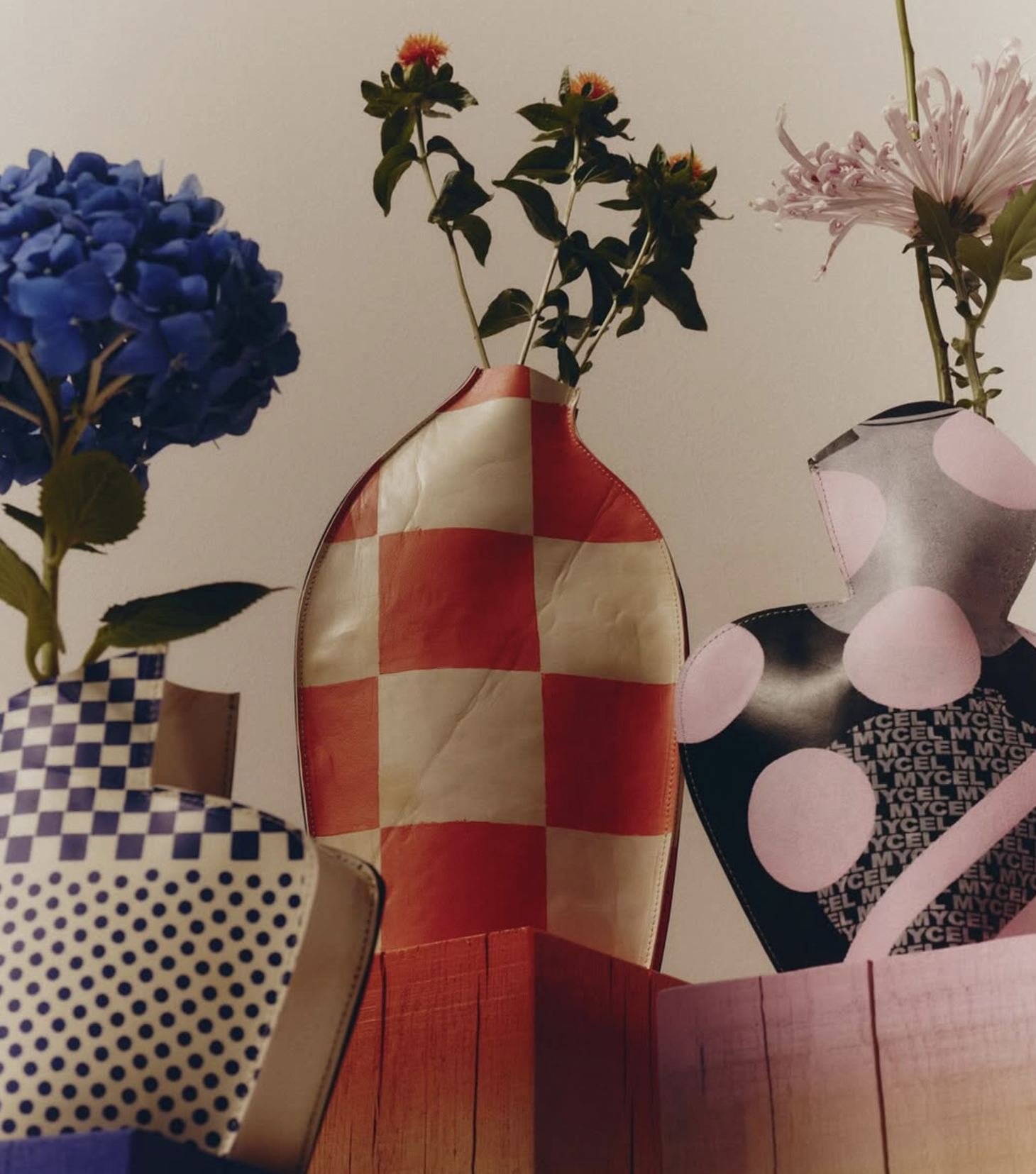
A. We see Design Shanghai as an important moment to properly introduce Celmure, and our broader mycelium platform, to the design community in China. Our focus is on three things. First, we want to present finished objects and material panels so visitors can truly touch and experience the surface. Second, we aim to share a clear and honest story about how the material is grown, finished, and designed to go “from the air back to the air,” which is our slogan. Finally, we’re looking forward to having meaningful conversations with interior designers, furniture brands, and material libraries about pilot projects and long-term collaborations.
Materials Brief
Get insights that matter
Subscribe to our newsletter for more curated perspectives on materials, design trends, and future-CMF thinking — delivered directly to your inbox.
We respect your privacy. By subscribing to this newsletter you consent to receive emails from Chris Lefteri Design.
Materials Deep Dive
Go beneath the surface. Our unique reports unpacks the stories, technologies, and strategies behind the materials shaping tomorrow’s design — from emerging CMF trends to unexpected applications. Featuring a foreword by Chris Lefteri, each edition offers original insight for designers, brands, and innovators ready to make smarter material choices.
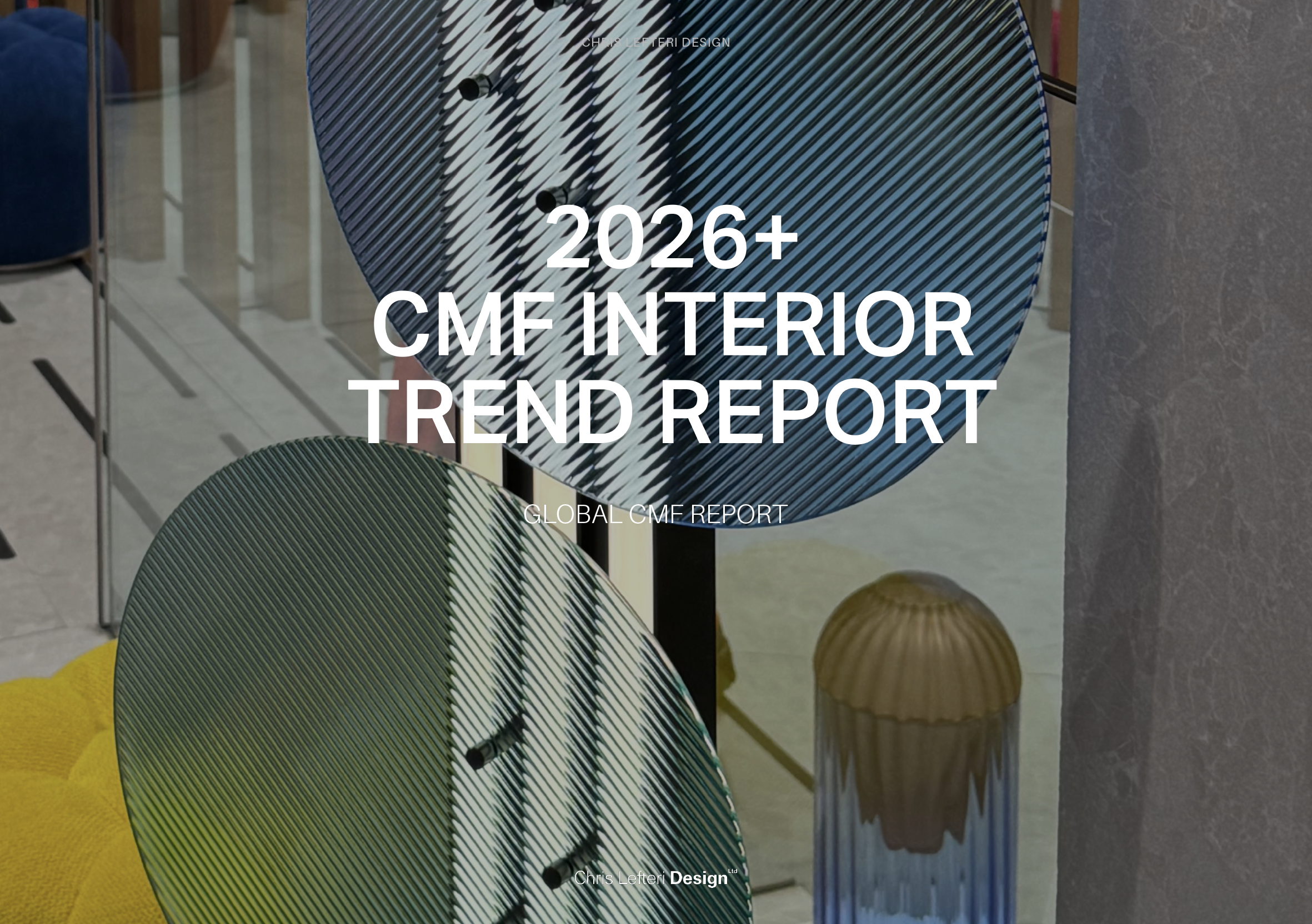
This report reveals the global Color, Materials, and Finishes (CMF) trends set to shape interiors, products, furniture, and home accessories in 2026 and beyond.
Inside, you’ll find:
Foreword by Chris Lefteri – exclusive insights into the future of CMF, drawn from his global consultancy experience and unique perspective on design innovation.
Global CMF Trends – an in-depth exploration of the evolving landscape of colors, materials, and finishes across multiple industries including interiors, products, furniture, and home accessories.
Material CMF Overview & Highlights – a curated library where each trend is brought to life through a signature material selected by the CMF team.
With a forward-thinking approach, this report delivers strategic insights for designers, architects, and industry professionals navigating the fast-changing world of interior and product design.
£ 500,00

With no sign of an end to the intense and heated debate around the use of leather, clear and balanced guidance on the environmental and ethical implications of this mainstay of the materials world is more important than ever. In this report, we examine potential approaches to the many challenges and opportunities related to leather:
Responsible finishes: Leather processing continues to be a source of pollution in many manufacturing hot spots around the world, but environmentally responsible alternatives are becoming the norm.
Progressive raw materials: A new generation of leather suppliers is re-evaluating raw materials that were previously rejected or ignored altogether.
Circular leather: Leather recycling is a growing industry that uses both post-industrial scrap and recovered post-consumer leather waste.
Synthetic biology: Several biotech startups are developing lab-grown leathers to avoid potential ethical and environmental implications related to the livestock industry.
Processing efficiency: AI and machine learning are new tools for addressing the inconsistencies that a natural material like leather inevitably presents in terms of colour, pattern, and irregularly shaped hides.
Beyond leather: From transparent and conductive leather to innovative building materials, hides unsuitable for leather production are finding new uses.
£ 500,00
Unlocking Competitive Edge Through Smarter Making
In a world where environmental responsibility and cost-efficiency are no longer optional, process innovation emerges as a game-changer. As materials face tighter regulations and scrutiny, the often-overlooked realm of forming, finishing, and assembly holds untapped potential to transform how products are made.
This report invites you to rethink the manufacturing floor—not just as a place of production, but as a space of opportunity. By understanding and evolving the processes behind how things are formed, joined, and finished, brands can unlock higher yields, reduced waste, and sharper competitiveness. Whether it’s fine-tuning the familiar—like injection moulding or casting—or embracing the transformative power of AI, machine learning, and autonomous systems, the potential to innovate has never been greater.
The future of making is already here.
From incremental upgrades with minimal investment to bold, data-driven leaps, this report maps out how brands can take control of their environmental impact and manufacturing costs—today, and in the critical years leading to 2030.
£ 500,00